
PREPARE For Living In Portland Oregon: The Reality New Residents Face

Moving to Portland is easy to romanticize. The coffee shops are world class, the parks are everywhere, and the spring and summer weather is hard to beat. Yet, the features that truly shape your daily life here are often difficult to understand from a distance. Researching home prices, browsing neighborhoods, and checking commute times matter, but navigating a successful relocation requires understanding the layers that never show up on a standard map.
1. Choosing the Right Pocket of the City
Portland is not just one uniform lifestyle, but rather several distinct versions of a city stitched side by side. Living close in around Northeast or Southeast Portland means walkable streets, historic homes, and vibrant neighborhood identities. Heading into Southwest or the West Hills offers a quieter, wooded, and more private atmosphere while staying close to downtown.
Meanwhile, heading outward toward Beaverton trades some walkability for easier parking, west-side job access, and great food culture. Further out in Lake Oswego or West Linn, you gain more space and a slower pace built around a charming town center. The core question is not which area is objectively best, but which version of Portland matches how your family actually lives day to day.
2. Passing the Weekday Reality Test
Before you fall in love with a charming older home online, run the boring test. Check where you will be at 8:00 AM and what 5:00 PM feels like. Portland's average commute runs under half an hour, which sounds manageable until your schedule depends on the wrong river crossing at peak hours. A neighborhood can look close on a map while feeling completely distant once you factor in traffic bottlenecks, bridge crossings, and parking availability.
3. Understanding Vintage Housing Stock
Portland has one of the highest concentrations of older housing stock on the West Coast. While vintage character, mature trees, and historic front porches draw people to neighborhoods like Irvington and Laurelhurst, they bring specific structural homework. Once you go under contract, inspection week introduces realities like sewer scopes, drainage, aging electrical systems, and basement moisture. Furthermore, older homes require a close look at insulation and cooling systems to ensure a charming upstairs bedroom does not turn into an intense heat trap during late summer.
4. Embracing the Seasons and Local Culture
The winter rain is steady rather than torrential, and good waterproof gear handles most of the season. However, the short winter daylight hours can surprise newcomers, making the long, sun-drenched summer evenings stretching past 9:00 PM the ultimate payoff. Beyond the weather, daily life quickly organizes itself around Portland's incredible food cart pods, exceptional coffee spots, and a massive network of neighborhood greenways and city parks.
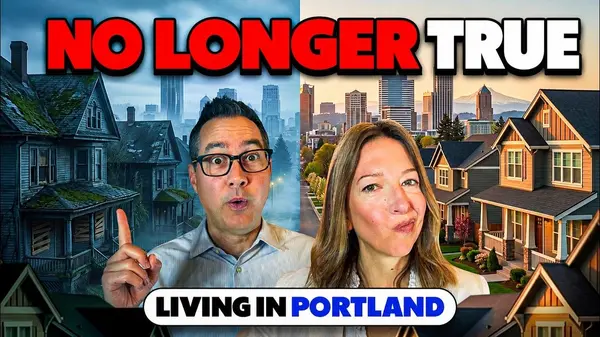
Watch the Full Video
Want to dive deeper into these local insights and see more of the neighborhoods? Watch the full video on our YouTube channel to get a firsthand look at what living in the Portland metro area is really like.
Ready to make your move to the Pacific Northwest? Contact us today for expert local guidance, neighborhood breakdowns, and professional representation tailored to your family's goals.
Categories
Recent Posts





![Lake Oswego Vs Southwest Hill Portland [EXPLAINED] Which Is BEST For Your Lifestyle](https://cdn.lofty.com/image/fs/844762616239339/website/59969/cmsbuild/w600_2026820_b9ad815f751e48f7-jpeg.webp)


GET MORE INFORMATION
