
These 16 Developments Will Change Portland FOREVER!
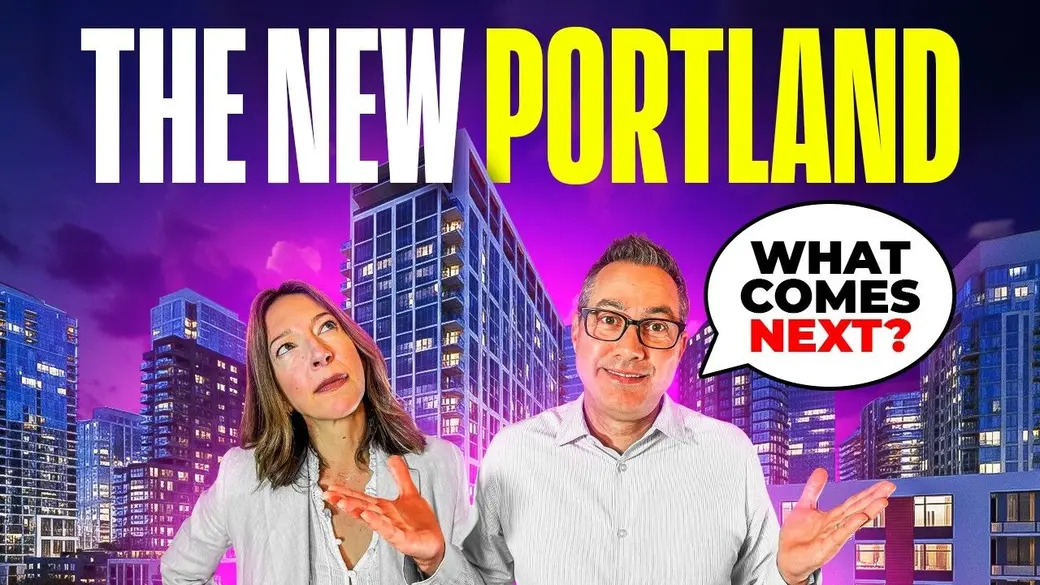
Most people are completely wrong about what is happening in Portland right now. If you have been following the national headlines, you might think the city is in a state of permanent decline, but the reality on the ground tells a much different story. Anyone who has lived here long enough knows that Portland never flips overnight. Instead, the city drifts and then suddenly recalibrates. We are currently in the middle of a massive reset where certain neighborhoods are coming back sharper and more intentional than they were before.
The data supports this shift in a way that might surprise those watching from afar. In 2025, Oregon was ranked as the number one state Americans moved to, with about 65% of all moves involving people coming into the state rather than leaving. People are still choosing this region because the lifestyle here hits differently once you actually live in it. It is a place that rewards people who want room to breathe and the space to be themselves.
Understanding the Urban Reset
When you hear that downtown Portland is struggling, that is an incomplete picture of the market. What is happening right now is a transition from an urban core that was built for work to one that is built to be lived in. Portland has one of the highest commercial vacancy rates in the country, but the city is actively redesigning these spaces. Office buildings are being converted into housing, hotels, and mixed-use environments.
Major projects like the Broadway Corridor and the redevelopment of the old downtown post office are planned for thousands of new housing units. This area is designed to function without car dependence by tying directly into the MAX, the streetcar, and extensive bike infrastructure. This is not a quick win, but it is a fundamental change in how the downtown area will work for residents in the coming years.
Neighborhoods Designed for Resilience
The South Waterfront area provides a great example of stability because it is anchored by high-paying jobs at OHSU. This keeps the housing market there occupied and resilient even when other markets wobble. On the other side of the river, the Albina Vision Trust is leading one of the most closely watched urban repair efforts in the nation. The goal of the Rose Quarter project is to reconnect neighborhoods that were split apart decades ago, creating safer crossings and new green spaces that stitch the community back together.
Portland has always treated mobility as a lifestyle choice. While some neighborhoods require a car, others are designed around light rail and bike commuting. About 5% of residents bike to work, which helps create quieter evenings and neighborhoods that feel active without feeling congested. Bridges like the Tilikum Crossing, which allows no car traffic, prove that Portland is focused on giving residents options for how they move through their day.
The Rise of the Portland Suburbs
A significant portion of people relocating to the area actually choose to live outside the city core. Roughly two-thirds of relocation buyers end up in the west and south metro areas. Beaverton is a frequent choice because it offers incredible job access, newer housing, and light rail connectivity. It is a city designed to function well for families who want safe, wide streets while still having the option to get back into Portland without a major production.
Further south, Tigard and Sherwood are seeing controlled growth where new housing is woven into existing neighborhoods. For many families, these areas offer a predictable and simple lifestyle. The financial side of this move is also a major factor for many of our clients. In the close-in Portland neighborhoods, you might pay between $350 and $450 per square foot. However, many west and south metro pockets land closer to $250 or $350 per square foot, which is where space stops feeling tight for a growing family.
Finding Your Place in the New Portland
Portland is currently shedding the versions of itself that stopped working and doubling down on what truly matters. This includes creativity, access to nature, and strong community involvement. Growth in this city often comes with friction and debate, but that culture of caring about how things are built usually leads to better, more livable places. The city is not falling apart; it is reinventing itself for a new generation of residents.
If you are planning your next move or relocating your family to the area, you do not need guesswork. You need a clear picture of the map and a strategy that aligns with your specific priorities. We moved to the Portland area ourselves several years ago and we understand that choosing the right neighborhood is the most important part of the process.
To see these market shifts in action and get a deeper look at the neighborhoods we discussed, you should watch the full video on my YouTube channel here: These 16 Developments Will Change Portland FOREVER!
Whether you are looking for the walkable energy of the inner city or the breathing room of the suburbs, our team is here to help you move with clarity. We help people buy, sell, and relocate throughout the entire Portland metro area. If you want to talk about your timing or explore specific neighborhoods, reach out to us today for expert real estate services that put your lifestyle first.
Categories
Recent Posts
![Lake Oswego Vs Southwest Hill Portland [EXPLAINED] Which Is BEST For Your Lifestyle](https://cdn.lofty.com/image/fs/844762616239339/website/59969/cmsbuild/w600_2026820_b9ad815f751e48f7-jpeg.webp)


![Top 9 BEST Portland Oregon Suburbs To Live In [REVEALED]](https://cdn.lofty.com/image/fs/844762616239339/website/59969/cmsbuild/w600_202672_3a0bdb5b48cc4b88-jpeg.webp)

GET MORE INFORMATION
