
Moving to Portland Oregon: What You NEED To Know Before Living In Portland OR
What New Residents Actually Need to Know
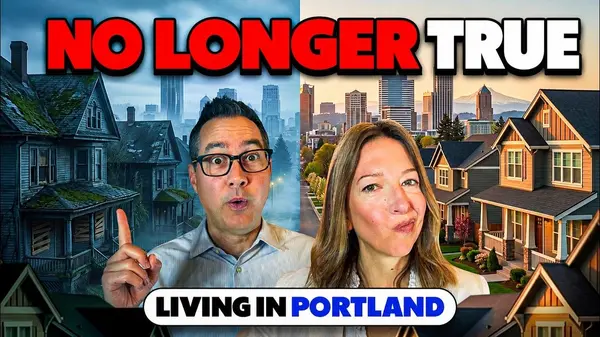
If you search online for what it’s like to live in Portland in 2025, you’ll find outdated headlines, recycled stereotypes, and stories written years ago. Rainy. Unsafe. Empty. Overpriced. Those takes make great clickbait but, they no longer reflect what’s happening on the ground.
The real Portland is changing fast, and the people moving here are noticing it before the national conversation catches up. More than 1,000 new residents relocated to Portland last year. Crime is down significantly, transit is expanding, housing opportunities are opening, and entire neighborhoods are transforming. Portland isn’t shrinking it’s reinventing itself.
The City Is Growing Again
The days of quiet downtown streets and pandemic-era vacancies are fading. New residents are arriving for job growth, affordability compared to other West Coast markets, and the lifestyle that gives Portland its identity: nature, community, creativity, food culture, local coffee shops, and parks on every corner. Crime rates, especially vehicle theft and property crime, continue to fall, and families, young professionals, and remote workers are choosing to put down roots again.
The Neighborhoods Making the Biggest Moves
What makes Portland unique is how many different lifestyles it offers. Walk through Alberta Arts, Mississippi Avenue or the Central Eastside and you’ll see restaurants full, coffee shops packed, murals going up, and crowds lining up for Salt & Straw on a sunny day. For families who want a quieter pace, neighborhoods like Sellwood and Eastmoreland feel like a small town inside the city with river access, parks, trails, and true community.
Just outside Portland, Lake Oswego and West Linn remain two of the most desirable suburbs in the Northwest, holding strong long-term value and drawing buyers who want top-rated schools and luxury living. In Beaverton and the South Cooper Mountain area, newer homes and major employers like Nike and Intel continue to attract buyers. Sherwood and Tigard appeal to those who want space, newer construction, and more affordability without giving up access to the city.
No matter what lifestyle someone wants; nightlife, top schools, nature, walkability, or new construction, there’s a neighborhood that fits.
Quiet Government Changes Making a Big Difference
One of the most overlooked storylines is how Portland’s new government structure is reshaping the city. With district representation, ranked-choice voting, and a full-time professional city administrator managing operations, neighborhood priorities like safety, parks, and schools are getting more attention. Even permitting and remodeling timelines are improving a huge deal for homeowners, investors, and builders.
Transit Is Evolving
Portland’s reputation as a “car-required city” is fading, too. The MAX Red Line has extended deeper into the west side, rapid-transit bus service is coming to major corridors, and walkable, car-optional living continues to grow in the Pearl District, Northwest Portland, and Inner Southeast. Buyers are already paying premiums to live near restaurants, schools, grocery stores, and transit and those areas continue to gain value.
The 2025 Housing Market
What’s striking about Portland’s real estate market right now is that it isn’t one single story. Median home prices hover around the mid-$500s, but the real opportunity is in the micro-markets. Some neighborhoods are experiencing strong competition. Others offer room to negotiate or the chance to buy a home that needs cosmetic updates and create instant equity. Compared to California, Seattle, or New York, buyers relocating here are surprised by how much space and value they can get.
Safety: What the Data Really Shows
Sensational headlines keep people stuck in old impressions, but the numbers tell a different story. Property crime has dropped. Vehicle theft is at its lowest level in years. Homicides have fallen dramatically. Is Portland perfect? No city is. Some blocks downtown still struggle, but most suburban neighborhoods feel safe, comfortable, and family-friendly. Like any major metro area, safety depends on the street you live on not the stereotypes on TV.
The Outdoor Lifestyle That Never Went Away
No matter what phase the city has gone through, Portland’s biggest advantage has always been lifestyle. On a clear day you can hike the Columbia Gorge, ski Mt. Hood, walk the waterfront, explore breweries, shop local farmers markets, or drive to the Oregon Coast all within reach of home. It’s part of why people move here, and why many who left during the pandemic are returning.
So, Is Portland Worth Considering in 2025?
If you choose the right neighborhood, absolutely. The city is safer than the headlines suggest, growing instead of shrinking, investing in infrastructure, and still more affordable than many major West Coast cities. Portland’s creativity, culture, and connection to nature haven’t gone anywhere they’re just entering a new chapter.
Thinking About Moving to Portland?
If you’re relocating, upsizing, downsizing, or trying to figure out whether Portland fits your lifestyle, we know this market block by block. They can help you find the neighborhood that matches your goals, show you where the best long-term value is, and help you avoid areas that might not fit what you’re looking for. Contact me today and let's get started on your real estate goals.
📲 Want to know more? Watch our full video here:
Categories
Recent Posts



![Lake Oswego Vs Southwest Hill Portland [EXPLAINED] Which Is BEST For Your Lifestyle](https://cdn.lofty.com/image/fs/844762616239339/website/59969/cmsbuild/w600_2026820_b9ad815f751e48f7-jpeg.webp)

GET MORE INFORMATION
